
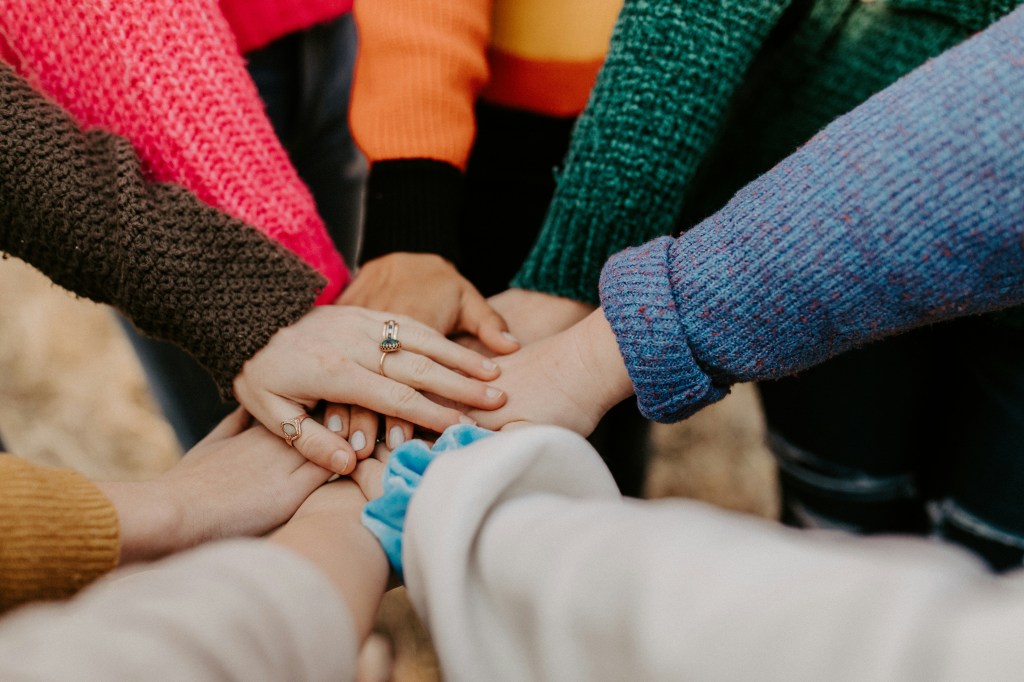
In a world where children are balancing schoolwork, technology and busy schedules, finding opportunities to work and play together is more important than ever. Whether your child enjoys football, dance, drama, scouting or simply playing games with friends, team activities can offer far more than just a fun way to spend their free time.
From developing confidence to learning how to communicate effectively, being part of a team helps children build valuable life skills that can support them both inside and outside the classroom. The best part? You don’t need to sign your child up for a competitive sports club to get started. Even simple activities at home or in the playground can make a real difference.
Building Confidence and Self-Esteem
Trying something new can feel daunting for children, particularly when they’re surrounded by unfamiliar faces or learning a skill for the first time. Team activities provide a supportive environment where children can gradually build confidence, discover their strengths and learn to believe in themselves.
Whether it’s scoring a goal, performing in a school play or contributing an idea during a group project, every small achievement is an opportunity to feel proud.
Importantly, children also learn that they don’t have to be the best at everything to make a valuable contribution. Recognising their own abilities while appreciating those of others can help them develop a healthier sense of self-esteem.
Learning to Communicate and Cooperate
Good communication is an essential life skill, and team activities offer plenty of opportunities to practise it.
Children learn to listen to instructions, share their ideas, ask questions and work towards a common goal. They also begin to understand the importance of taking turns, respecting different opinions and finding solutions when disagreements arise.
These experiences can be particularly helpful in the classroom, where group tasks and collaborative learning are a regular part of school life. Learning how to express themselves clearly and listen to others can help children build stronger friendships and approach challenges more positively.
Developing Social Skills and Friendships
Making friends doesn’t always come naturally to every child. Some are naturally outgoing, while others may need a little more time to feel comfortable in social situations.
Team activities provide a shared interest that can make connecting with others feel easier. Working towards a common goal gives children something to talk about, helping conversations develop naturally and friendships grow over time.
Activities such as team sports, music groups, drama clubs and community projects can also introduce children to peers they might not otherwise meet.
For children who feel shy or struggle to settle into new environments, these opportunities can help them feel included and develop a stronger sense of belonging.
Encouraging Resilience and Problem-Solving
Not every team activity goes according to plan. A match might be lost, a performance might not go perfectly, or a group project might require several attempts before things come together.
Although these moments can be disappointing, they offer valuable learning opportunities.
Children begin to understand that mistakes are a normal part of learning and that setbacks don’t have to mean giving up. They can practise managing frustration, adapting their approach and encouraging others when things become difficult.
Teamwork also teaches children that problems can often be solved more effectively by sharing ideas and considering different perspectives.
Over time, these experiences can help children become more resilient, patient and willing to tackle unfamiliar challenges.
Supporting Physical and Mental Wellbeing
Many team activities naturally encourage children to move, helping them develop coordination, balance, strength and overall fitness. Sports such as football, netball and basketball are obvious examples, but dancing, outdoor games and adventure activities can offer similar opportunities.
Beyond the physical benefits, taking part in enjoyable group activities can also support emotional wellbeing. Spending time with friends, feeling part of a group and having something positive to look forward to can help children manage everyday pressures.
Regular activities also provide a welcome break from screens and schoolwork, giving children an opportunity to recharge while doing something they enjoy.
Encouraging Teamwork at Home
You don’t need to rely solely on organised clubs to help your child develop teamwork skills. Everyday family activities can provide an excellent starting point.
You could try:
- Playing board games that encourage cooperation rather than competition.
- Preparing a family meal together, giving everyone a small responsibility.
- Organising a treasure hunt where children work together to solve clues.
- Building something together using construction toys or recycled materials.
- Taking part in a family challenge, such as completing a puzzle or planning a day out.
The key is to make these experiences enjoyable and age-appropriate, allowing children to contribute ideas and celebrate everyone’s efforts.
Small Activities, Lasting Benefits
Team activities offer children much more than an opportunity to have fun. They help develop confidence, communication, resilience and social skills that can support learning, friendships and future relationships.
Every child is different, so finding an activity that suits their interests and personality is important. Whether your child thrives on the football pitch, enjoys performing on stage or prefers working together on a creative project, there are plenty of ways to experience the benefits of teamwork.
By encouraging children to participate, try new things and appreciate the contributions of others, parents can help lay the foundations for skills that will serve them well throughout childhood and beyond.


Leave a Reply