
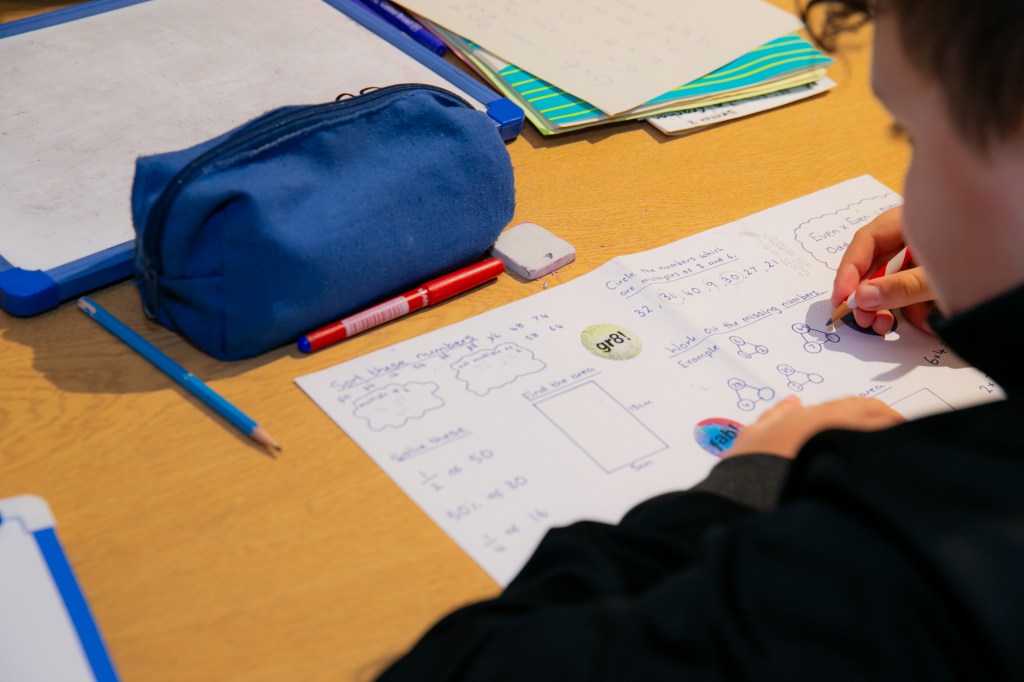
For many families, moving from Key Stage 1 to Key Stage 2 feels like a significant milestone. As children enter Year 3, they are no longer the youngest learners developing the basics of reading, writing and maths. Instead, they begin building on these foundations with greater independence, responsibility and confidence.
While this transition can feel exciting, it is also completely normal for both parents and children to have questions about what lies ahead. Understanding what to expect can help make the move into Key Stage 2 much smoother.
Increased Independence
One of the biggest changes children experience in Key Stage 2 is the expectation that they will become more independent in their learning. Teachers encourage pupils to take greater responsibility for organising their belongings, completing homework and managing classroom tasks with less support.
Children are also expected to think more critically and solve problems on their own before asking for help. Although this may seem like a big step at first, these skills develop gradually throughout the year, with plenty of guidance from teachers.
Parents can support this by encouraging children to pack their own school bags, complete homework independently and talk through any challenges they face rather than immediately providing the answers.
A More Challenging Curriculum
The Key Stage 2 curriculum introduces children to more detailed and complex topics across all subjects. In English, pupils will explore a wider range of texts, develop their comprehension skills and begin producing longer, more structured pieces of writing.
Mathematics also becomes more advanced, with greater emphasis on multiplication, division, fractions and problem-solving. Science lessons become increasingly investigative, encouraging children to ask questions, make predictions and explain their findings using evidence.
Alongside the core subjects, children continue to study history, geography, art, computing, music and physical education, helping them develop a broad range of knowledge and skills.
Developing Friendships and Confidence
As children grow older, their social skills continue to develop alongside their academic learning. Friendships may begin to change as children discover new interests and become more aware of group dynamics.
Key Stage 2 provides many opportunities for teamwork through group projects, sports, performances and school events. These experiences help children build confidence, communication skills and resilience while learning to work collaboratively with others.
Parents can support their child by encouraging open conversations about friendships and celebrating achievements both inside and outside the classroom.
Homework and Organisation
Many schools gradually increase homework expectations during Key Stage 2. This may include regular reading, spelling practice, times tables and occasional project work linked to classroom topics.
Developing good organisational habits early can make homework feel much less overwhelming. Creating a consistent routine, providing a quiet space to work and encouraging children to plan their time can all help them feel more confident and prepared.
It is also important to remember that homework is intended to reinforce classroom learning rather than cause unnecessary stress. If your child is struggling, speaking with their teacher can help identify the best way to support them.
Supporting Your Child Through the Transition
Every child settles into Key Stage 2 at their own pace. Some will embrace the additional responsibility straight away, while others may need a little more reassurance during the first few weeks.
Maintaining regular communication with your child’s teacher, showing an interest in what they are learning and celebrating small successes can all help build confidence. Reading together, practising key maths skills and encouraging curiosity at home will also reinforce the learning taking place in school.
Most importantly, remember that Key Stage 2 is about much more than academic progress. It is a time when children develop independence, resilience, friendships and a genuine love of learning that will support them throughout the rest of their education.
Although the transition may feel like a big step, with encouragement from both home and school, most children quickly settle into their new routine and begin to thrive.
If you’d like any further support with this milestone in your child’s life, please don’t hesitate to reach out. We’re happy to answer your questions and offer advice!
 Conexus Tuition Southbourne, Christchurch, and Bournemouth East
Leave a comment