
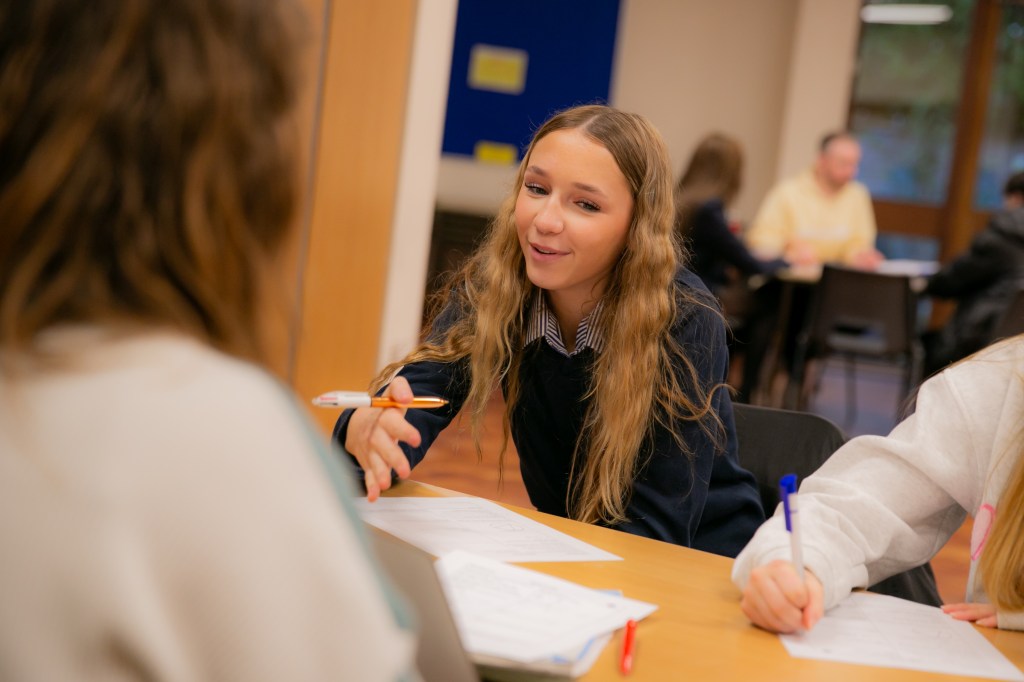
For many families, the move to upper school is one of the biggest transitions in a child’s education. Whether your child is moving from primary school into Year 7, or from middle school into Year 9 as part of Dorset’s three-tier system, it can feel both exciting and daunting.
The good news is that while there will be plenty of changes, there are also many opportunities for children to grow in confidence, independence, and maturity. With the right preparation and support, most students settle in far more quickly than parents expect.
Understanding the School System in Dorset
Across most of the UK, children move from primary school to secondary school at the end of Year 6, starting Year 7 at their new school.
However, some areas around Bournemouth and East Dorset operate a three-tier system. In places such as Ferndown, West Moors, Wimborne, and Corfe Mullen, children attend a first school (Reception to Year 4), then a middle school for Years 5 to 8, before moving to an upper school at the start of Year 9. This means some children experience their major school transition slightly later than their peers in neighbouring areas.
While the timing may differ, the experience is very similar. Students are still preparing for increased independence, new subjects, and the academic expectations that come with upper school.
What Children Can Expect
One of the biggest differences children notice is the size of the school. Upper schools are often much larger than primary or middle schools, with more students, more classrooms, and more teachers.
Children can also expect:
- A wider range of subjects
- Different teachers for different lessons
- A more structured timetable
- Greater responsibility for homework and organisation
- New friendships and social groups
- More extracurricular opportunities
Many students are excited by the chance to explore subjects they may not have studied before, from design technology and drama to computer science and modern foreign languages.
Although the first few weeks can feel overwhelming, most children quickly adapt to their new routines.
What Parents Can Expect
Parents often find themselves navigating a transition too.
Suddenly, your child may want more independence while still needing reassurance and support. Communication can become a little less straightforward as children start managing more of their school life themselves.
You may notice your child:
- Becoming more independent
- Taking greater responsibility for their belongings
- Developing new friendship groups
- Becoming more aware of social pressures
- Experiencing periods of emotional ups and downs
These changes are a normal part of growing up and are often signs that your child is developing the skills needed for adolescence and beyond.
Preparing Your Child for the Transition
A little preparation can make a huge difference.
Encourage Independence
Help your child practise organising their belongings, packing their school bag, and keeping track of important dates. These small habits can make the first few weeks much less stressful.
Talk About Expectations
Discuss what a typical school day might look like and encourage them to ask questions about anything they are unsure of.
Build Confidence
Remind your child that everyone is starting something new. Even the most confident students may feel nervous about making friends, finding classrooms, or keeping up with new routines.
Establish Good Study Habits
Upper school often brings increased homework expectations. Creating a quiet space for studying and developing a simple homework routine can help children feel more in control.
More Than Just Academic Growth
The move to upper school happens during an important stage of development.
Between the ages of 11 and 14, children experience significant physical, emotional, and cognitive changes. They are developing stronger problem-solving skills, becoming more self-aware, and beginning to form their own opinions and identities.
At the same time, friendships often become increasingly important, and children may become more sensitive to peer relationships and social situations.
This period can sometimes feel like a rollercoaster, but it is also when many young people discover new interests, talents, and ambitions.
The Exciting Opportunities Ahead
While it is natural to focus on the challenges of transition, upper school also brings many exciting opportunities.
Students have the chance to:
- Join sports teams, clubs, and societies
- Develop new interests and hobbies
- Build lasting friendships
- Learn from specialist teachers
- Take on leadership roles and responsibilities
- Begin preparing for future qualifications and career aspirations
For many children, upper school is where they start to discover who they are and what they enjoy.
Starting upper school is a significant milestone for both children and parents. There may be nerves, questions, and moments of uncertainty, but there will also be excitement, growth, and achievement.
By focusing on preparation, maintaining open communication, and encouraging independence, you can help your child approach this next chapter with confidence.
Before long, the school that once felt enormous and unfamiliar will simply feel like home.
If you’d like any further support with this milestone in your child’s life, please don’t hesitate to reach out. We’re happy to answer your questions and offer advice!
 Conexus Tuition Southbourne, Christchurch, and Bournemouth East
Leave a comment