
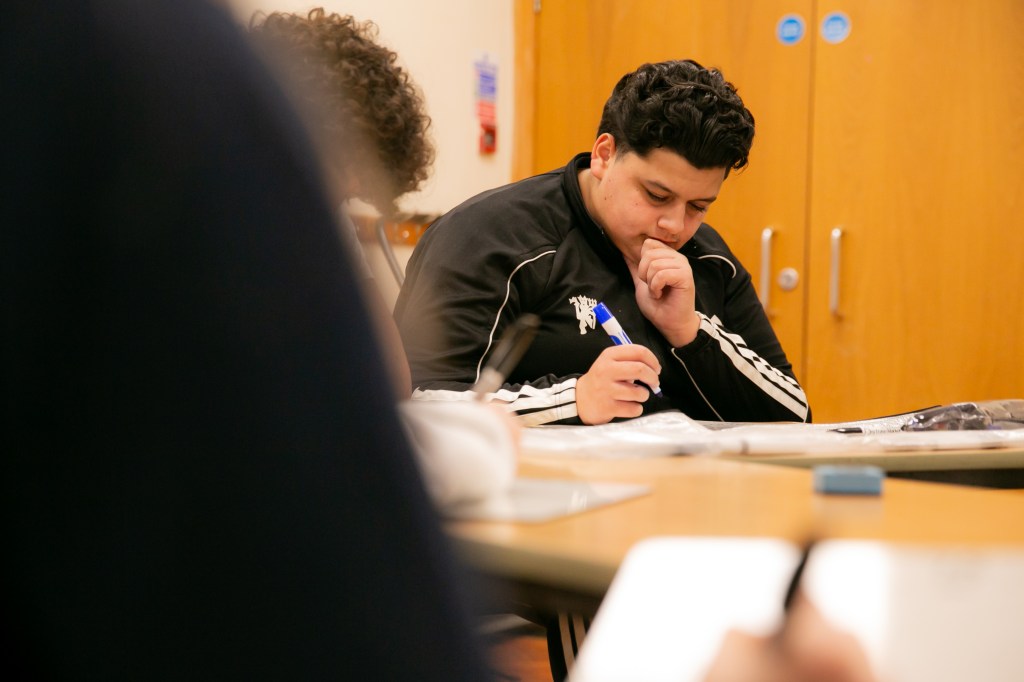
Balancing school, revision, and home life can sometimes feel impossible, especially during GCSE years. Between homework, revision timetables, family responsibilities, hobbies, and trying to maintain a social life, it’s easy to feel overwhelmed. However, finding a healthy balance between all three is one of the most important things students can do, not only for their grades, but also for their wellbeing.
GCSEs are important, but they should not come at the expense of your mental health or personal life. In fact, research consistently shows that students perform better academically when they are well-rested, supported, and able to manage stress effectively. The key is learning how to work smarter rather than simply working longer hours.
One of the biggest mistakes students make is believing they need to revise constantly in order to succeed. While revision is essential, too much of it without breaks can quickly lead to burnout. There is no “perfect” number of revision hours. Instead, students should focus on creating a realistic routine they can maintain consistently.
Creating a revision timetable can help enormously. Rather than revising every subject every day, try breaking revision into manageable chunks across the week. At Conexus Tuition, we emphasise the importance of structured revision schedules, alongside the need for regular breaks, downtime, and flexibility.
A balanced routine might include:
- Completing homework after school
- Spending 1–2 focused hours revising
- Taking regular breaks
- Making time for hobbies, exercise, or seeing friends
- Having a consistent bedtime
This balance matters because your brain needs rest in order to learn effectively. Sleep is vital for memory retention, concentration, and emotional regulation. GCSE students are generally recommended to get between 8–10 hours of sleep each night.
Home life also plays a huge role in academic success. Spending time with family, relaxing, and maintaining hobbies can help students recharge mentally. It’s easy to feel guilty for not revising every minute of the day, but downtime is not wasted time. Activities such as sports, reading, gaming, music, or simply talking with friends can reduce stress and improve focus when returning to schoolwork.
Mental health should never be ignored during exam years. According to research into mental health in education, poor wellbeing can negatively affect concentration, confidence, and academic performance. Exam pressure can sometimes make students feel as though their grades define them, but maintaining perspective is incredibly important.
Interestingly, research from the University of Cambridge found that students who felt more confident, purposeful, and emotionally balanced often achieved stronger GCSE results. This shows that success is not just about endless studying; confidence and wellbeing matter too.
If you start feeling overwhelmed, it’s important to ask for support. This could mean speaking to parents, teachers, tutors, or friends. Sometimes, simply talking through worries can make them feel more manageable. Small group tuition and supportive learning environments can also help students feel more confident without adding extra pressure.
One helpful strategy is using techniques like the Pomodoro Method: revising for 25 minutes, followed by a 5-minute break. This can improve concentration while preventing mental exhaustion. Another useful tip is prioritising difficult subjects earlier in the evening, when energy levels are often higher.
Most importantly, remember that balance looks different for everyone. Some students work best early in the morning, while others prefer revising later in the day. Some need more breaks than others. The goal is not perfection; it is finding a routine that helps you stay productive while still enjoying life outside of school.
GCSEs are only one chapter of your education journey. By balancing school, revision, and home life effectively, students are far more likely to stay motivated, healthy, and confident throughout the exam period. Success is not measured purely by grades, but also by learning how to manage responsibilities while still taking care of yourself.
 Conexus Tuition Southbourne, Christchurch, and Bournemouth East
Leave a comment