
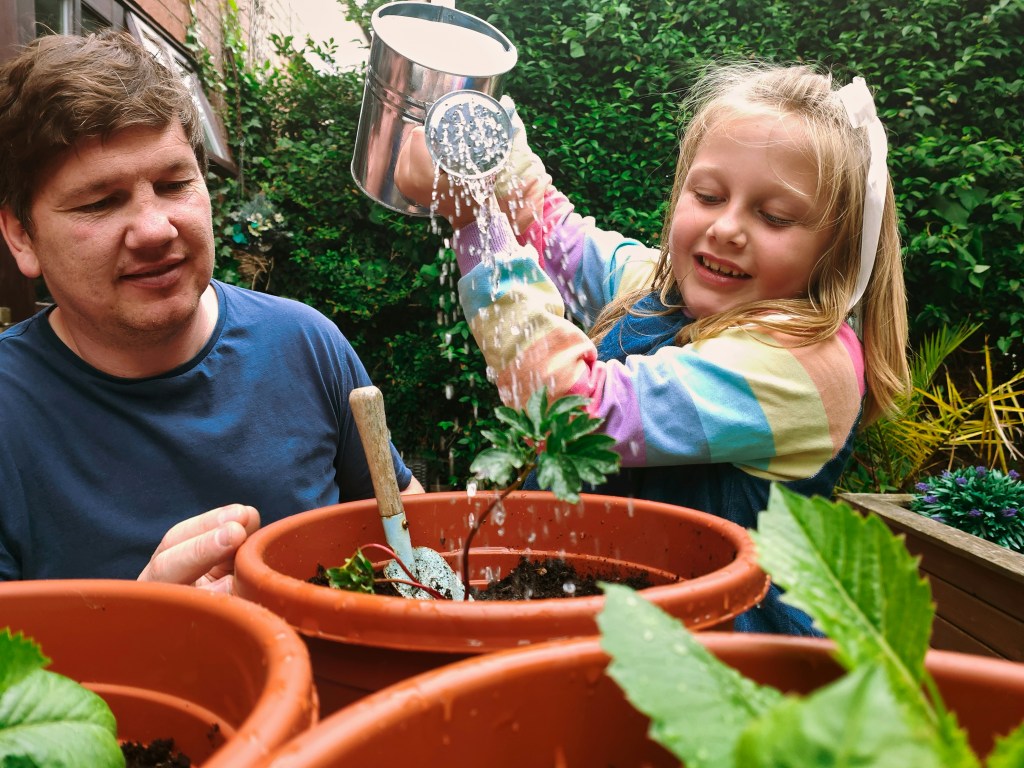
Gardening is often seen as a simple pastime, but for children and teenagers it can be a powerful tool for development. Across the UK, organisations such as the Royal Horticultural Society (RHS) have highlighted how engaging with plants and green spaces supports young people’s mental wellbeing, physical health, and education in meaningful ways.
Mental health and emotional wellbeing
One of the most significant benefits of gardening is its positive impact on mental health. Spending time in nature has been shown to create a calming environment, helping children feel more relaxed and focused. According to RHS guidance, exposure to natural spaces can stimulate “feel-good” hormones and reduce stress levels, contributing to overall wellbeing.
Gardening also encourages mindfulness. Activities such as planting seeds, watering plants, or observing insects require attention and patience, allowing children to slow down and engage with the present moment. This can be particularly valuable in a world where young people are often overstimulated by screens and fast-paced routines.
Additionally, gardening helps develop emotional resilience. Watching plants grow over time teaches patience and perseverance, while coping with setbacks, such as plants failing to thrive, can build problem-solving skills and adaptability. Research also suggests that children who spend time outdoors tend to develop stronger social and emotional skills, including improved ability to manage emotions and build relationships.
Physical health benefits
Gardening is also a form of light to moderate physical activity. Tasks such as digging, planting, watering, and weeding help children develop both fine and gross motor skills.
Unlike structured exercise, gardening feels purposeful and enjoyable, which can encourage children to stay active without the pressure of formal sports. It also promotes time outdoors, which is increasingly important given concerns about sedentary lifestyles among young people.
Another important physical benefit is the potential link to healthier eating habits. Children who grow their own fruits and vegetables are often more interested in tasting them and developing a better understanding of nutrition. While gardening alone may not dramatically change diet, it can improve attitudes towards healthy foods and increase willingness to try new produce.
Educational value
Gardening offers rich, hands-on learning opportunities that complement classroom education. It naturally integrates subjects such as science (plant biology, ecosystems), maths (measuring growth, spacing plants), and literacy (following instructions, recording progress).
Importantly, gardening supports cognitive development. Being outdoors and engaged in practical tasks can improve concentration, memory, and problem-solving abilities. The RHS notes that children often stay focused for longer during gardening activities because they are both stimulating and relaxing.
There is also evidence that children involved in gardening may perform better academically, likely due to increased engagement and improved wellbeing.
Social and life skills
Beyond health and education, gardening helps children develop essential life skills. It fosters responsibility, as young people learn to care for living things and understand the consequences of neglect. It also encourages teamwork when gardening is done in groups, whether at school or within families.
Gardening can strengthen connections – to nature, to food systems, and to each other. In fact, UK data suggests that a large proportion of children report feeling happier when they garden, highlighting its role in building positive everyday experiences.
Tips for parents: how to get started
For parents interested in introducing gardening, the good news is that it does not require a large garden or extensive expertise.
- Start small and simple. Pots, window boxes, or a small patch of soil are enough to begin. Easy-to-grow plants such as sunflowers, radishes, or herbs provide quick results and help maintain children’s interest.
- Make it child-led. Allow children to choose what they want to grow or which tasks they enjoy. This sense of ownership can increase motivation and enjoyment.
- Focus on the experience, not perfection. Plants may fail, and that is part of the learning process. Emphasise curiosity and experimentation rather than perfect results.
- Incorporate routine. Regular watering or checking plant growth can become a simple daily habit, reinforcing responsibility and consistency.
- Finally, keep it fun. Sensory experiences such as touching soil, smelling herbs, or tasting home-grown vegetables make gardening engaging and memorable.
Gardening offers a unique combination of mental, physical, and educational benefits for children and teenagers. It nurtures wellbeing, supports learning, and builds lifelong skills, all while encouraging a meaningful connection with nature. In an increasingly digital world, even a small opportunity to grow and care for plants can have a lasting positive impact on young people’s development.
 Conexus Tuition Southbourne, Christchurch, and Bournemouth East
Leave a comment