
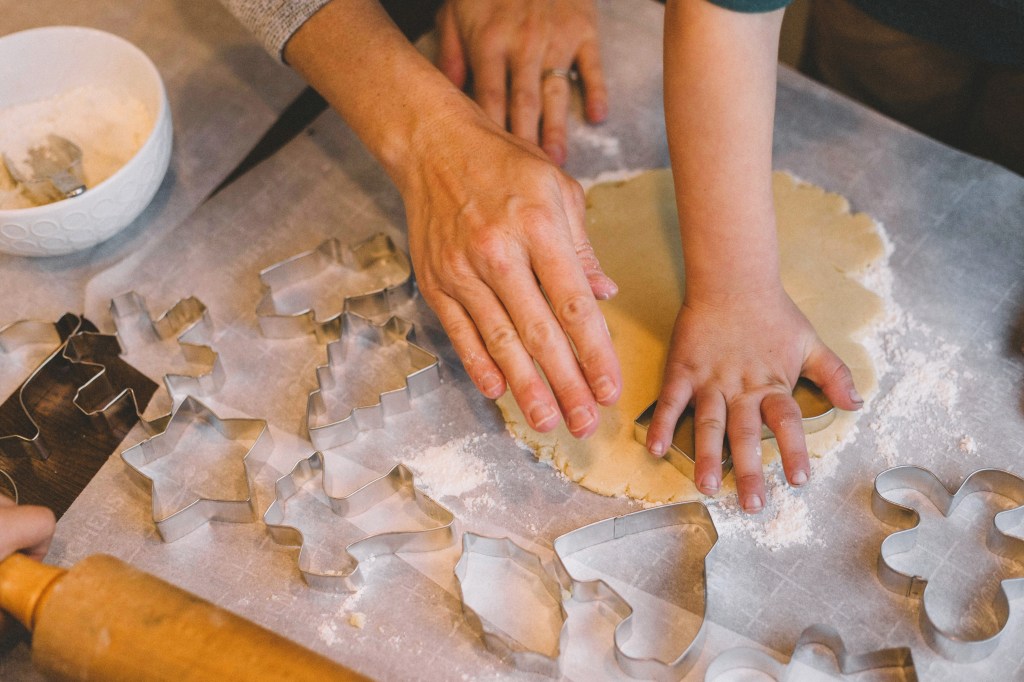
Teaching children to cook is about far more than preparing meals – it’s an investment in their overall development. While the ability to make a simple dish is a valuable life skill in itself, the process of learning to cook nurtures confidence, curiosity, and a wide range of academic and practical abilities. For parents, inviting children into the kitchen can feel messy or time-consuming at first, but the long-term benefits are both meaningful and lasting.
One of the most immediate advantages is the development of independence. When children learn how to prepare food, they gain a sense of responsibility and self-reliance. Even small tasks like washing vegetables, stirring ingredients, or measuring flour can help them feel capable and involved. Over time, these small contributions build confidence, showing children that they can create something useful and enjoyable from scratch. For younger children, this can feel like play; for older ones, it becomes a stepping stone toward adulthood.
Academic Skills
Cooking is also a surprisingly effective way to reinforce academic skills, particularly in mathematics. Recipes require measuring, counting, and understanding proportions. Doubling a recipe or cutting it in half introduces children to fractions in a practical, hands-on way. Concepts that might feel abstract in a classroom suddenly become tangible when they are tied to making pancakes or baking a cake. Time management is another mathematical skill developed in the kitchen – understanding cooking times, sequencing steps, and planning ahead all contribute to stronger numerical awareness.
Beyond maths, cooking provides a natural introduction to science. Every recipe is, in essence, a small experiment. Children observe how heat changes ingredients, how liquids and solids combine, and how chemical reactions occur – such as yeast making dough rise or eggs solidifying when cooked. These everyday experiences help children grasp basic scientific principles without the need for formal lessons. The kitchen becomes a space where curiosity is encouraged, and questions are easily explored.
Language and communication skills also benefit. Reading recipes improves comprehension, while discussing steps and ingredients encourages vocabulary development. Parents and children working together in the kitchen naturally engage in conversation, strengthening both language skills and family bonds. This shared activity creates opportunities for storytelling, cultural exchange, and passing down family traditions, all of which enrich a child’s understanding of the world.
Health and Home
Health is another key area where cooking plays a vital role. Children who are involved in preparing meals are more likely to develop a positive relationship with food. They become more aware of ingredients, nutrition, and the importance of balanced meals. This awareness often leads to healthier eating habits, as children take pride in what they have made and are more willing to try new foods. In contrast to processed or convenience meals, home cooking encourages mindfulness about what goes into the body.
From a family perspective, cooking together fosters connection. In a busy world, shared time in the kitchen offers a chance to slow down and work toward a common goal. It can become a daily ritual or a weekend activity that everyone looks forward to. These moments not only strengthen relationships but also create lasting memories that children carry with them into adulthood.
For children themselves, learning to cook can feel empowering and even exciting. There’s a sense of creativity in choosing flavours, decorating dishes, or experimenting with new ideas. The kitchen becomes a place where mistakes are part of the process and successes are immediately rewarding – you get to eat what you make. This balance of challenge and enjoyment makes cooking an engaging way to learn.
Encouraging children to cook doesn’t require elaborate recipes or perfect results. It begins with simple steps:
- Letting them help
- Giving them age-appropriate tasks
- Being patient as they learn
Over time, these experiences build a foundation of skills that extend far beyond the kitchen. In the end, teaching children to cook is about equipping them with tools for life. It supports their education, promotes healthier habits, and strengthens family connections – all while giving them a skill they will use for years to come.
 Conexus Tuition Southbourne, Christchurch, and Bournemouth East
Leave a comment