
The GCSE years can feel like a big leap for both students and parents. Between new subjects, growing expectations, and looming exams, it’s easy to feel overwhelmed. But with the right approach and support at home, these years can also be a time of growth, confidence, and steady progress.
Here’s how you can help your child develop strong revision habits across Years 9, 10, and 11 – without the stress.
Year 9: Building the Foundation
Year 9 is often seen as the ‘warm-up’ for GCSEs*. While exams still feel a long way off, this is the perfect time for students to build good habits that will serve them later.
1. Focus on organisation.
Encourage your child to keep their notes tidy and organised from the start. Suggest a folder for each subject and help them label and date their work. When revision time comes, clear and complete notes make life much easier.
2. Develop curiosity.
Rather than jumping into full-on revision, Year 9 is about sparking interest. Ask them what they enjoy learning, discuss topics at home, and show them how their subjects connect to real life – from history on TV to science in everyday life.
3. Strengthen key skills.
Reading, writing, and problem-solving underpin almost every GCSE subject. Encourage regular reading for pleasure, practise summarising articles, or discuss news stories together. Small, everyday conversations can make a big difference to critical thinking skills later on.
*Please note that some schools do begin their GCSEs in Year 9 to provide their students with a longer period of study.
Year 10: Turning Practice Into Progress
Year 10 is where the real GCSE content begins, so it’s important for students to build consistent revision habits early before the workload increases.
1. Encourage regular review, not cramming.
Short, focused revision sessions work far better than last-minute cramming. Encourage your child to revisit topics after each unit is completed – even just 15–20 minutes of reviewing notes or practising exam questions helps information stick.
2. Use a variety of revision techniques.
Help your child discover which revision methods work best for them. Some ideas include:
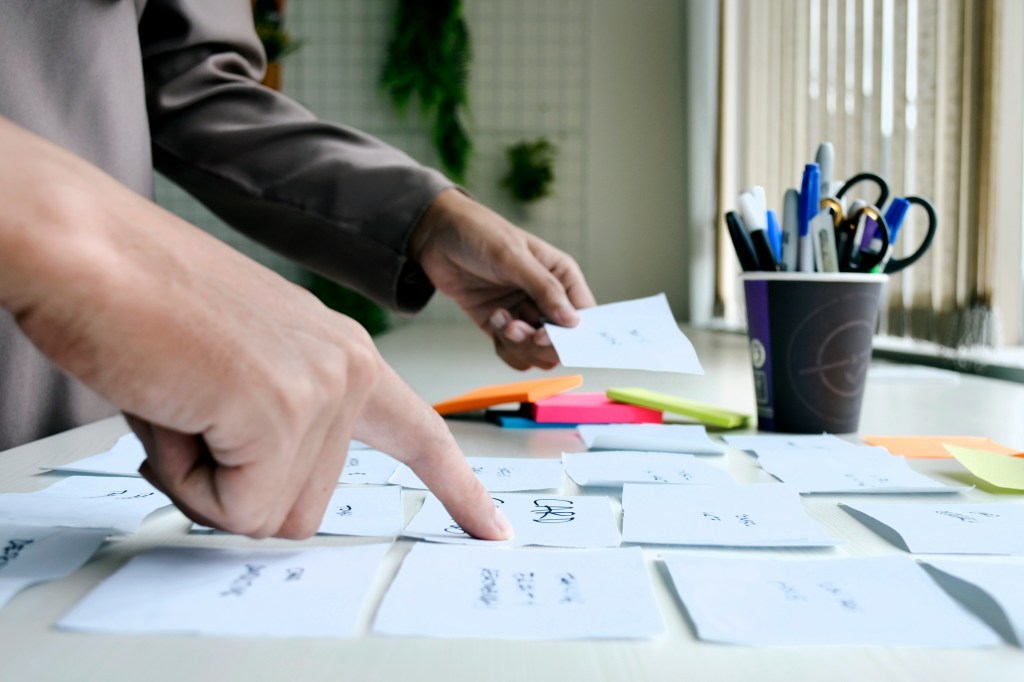
- Flashcards for key terms and definitions
- Mind maps for linking ideas
- Practising past paper questions
- Teaching a topic aloud as if explaining it to someone else
Remind them that revision isn’t just rereading notes. It’s about actively engaging with the material.
3. Balance study and wellbeing.
Encourage breaks, hobbies, and downtime. The teenage brain needs rest to process information. A short walk, exercise, or creative activity between study sessions can boost focus and reduce stress.
4. Communicate with school.
Stay in touch with teachers to understand what topics are being covered and how your child is progressing. Attending parents’ evenings or checking online learning portals can help you support revision at home more effectively.
Year 11: Refining, Reviewing, and Building Confidence
Year 11 can be intense, but with a structured plan and emotional support, students can approach exams calmly and confidently.
1. Create a realistic revision timetable.
Help your child break down their revision into manageable chunks. Prioritise weaker subjects but keep variety in each day. Include rest breaks, meals, downtime, and fun! Balance is key to sustained productivity.
2. Focus on exam practice.
By this stage, practising past papers under timed conditions is one of the best forms of revision. Encourage your child to check mark schemes and understand where they gained or lost marks – this helps develop exam technique as well as knowledge.
3. Support wellbeing and mindset.
Reassure your child that mock results or setbacks don’t define them – they’re stepping stones to improvement. Celebrate effort, not just grades. Encourage healthy sleep routines, hydration, and regular breaks, especially during busy revision periods.
4. Stay positive and present.
Your encouragement matters. A calm, supportive home environment can make all the difference. Be there to listen, keep things in perspective, and remind them that progress happens step by step.
GCSEs are important, but they’re just one part of your child’s educational journey. The most valuable thing you can do is help them build confidence, independence, and resilience – skills that last long after exam season ends.
By encouraging good habits in Year 9, steady progress in Year 10, and structured focus in Year 11, you’ll give your child the best possible foundation for success – not just in exams, but in life.
 Conexus Tuition Southbourne, Christchurch, and Bournemouth East
Leave a comment