
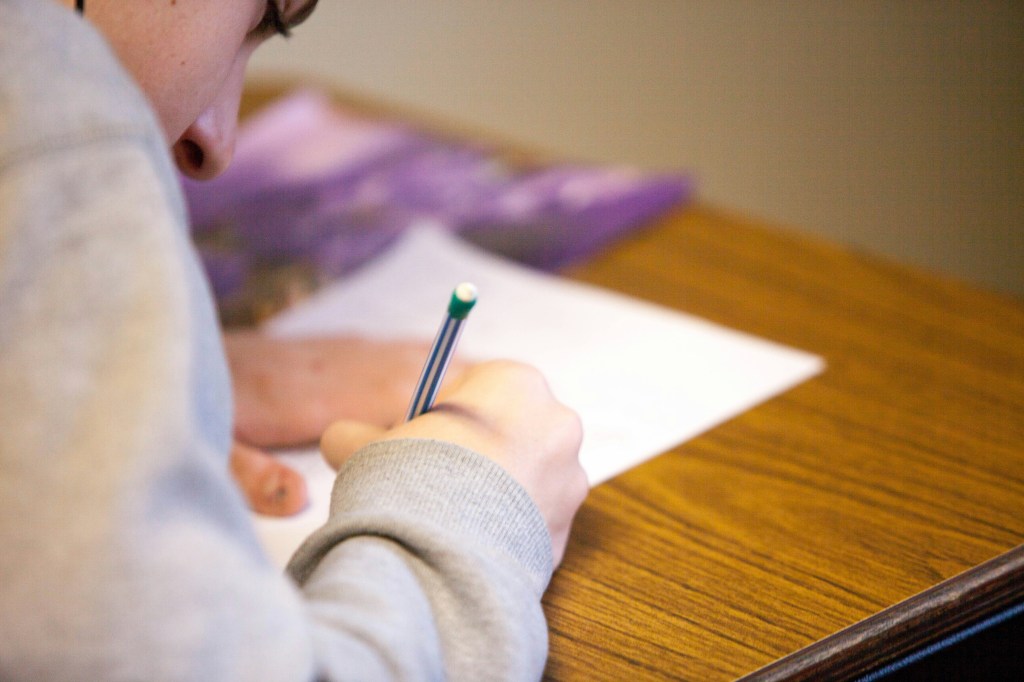
Mocks are an important milestone, but they’re also a valuable learning opportunity. With the right approach, they can help your child build confidence, develop effective study habits, and identify where extra support is needed before the real exams in summer.
Here’s what you need to know, and how you can help.
Understanding What Mock Exams Are For
Mock exams (sometimes called prelims or practice exams) are designed to replicate the conditions of the real GCSEs. Students sit them under timed, exam-style conditions, usually in November – January, to test their knowledge and readiness.
But mocks aren’t just about grades. Their real purpose is to:
- Identify strengths and weaknesses – helping students (and teachers) see which topics need more attention.
- Build exam confidence – so that the real exams feel less intimidating.
- Develop revision strategies – allowing students to see what works best for them.
- Practise exam techniques – managing time, reading questions carefully, and structuring answers effectively.
So while the results matter, they’re more of a diagnostic tool than a final judgment.
How Parents Can Support at Home
Your role as a parent isn’t to become a tutor (that’s our job!), but to create the right environment for your child to do their best. Here’s how:
- Create a calm, focused study space
Encourage your teen to revise in a quiet area with minimal distractions. Good lighting, comfortable seating, and access to stationery and resources make a big difference.
- Help them plan their time
Most schools provide a mock exam timetable – use it to work backwards and help your teen create a simple revision plan. Breaking study into manageable chunks, with short breaks in between, is much more effective than cramming.
- Encourage balance
Remind them that rest and relaxation are part of the process. Exercise, good sleep, and healthy meals all improve concentration and memory, and of course, having fun!
- Stay positive and calm
Even if the mock results aren’t what you or your child hoped for, treat them as information, not failure. Praise their effort, not just their grades. Mocks are there to show you what still needs work, not to define your child’s ability.
- Offer practical support
Small gestures can make a big difference: testing them with flashcards, helping with time management, or making sure they have everything they need for exam days (pens, calculator, etc).
Managing Stress and Motivation
It’s normal for students to feel anxious about mocks. Here’s how you can help them keep things in perspective:
- Listen and empathise. Sometimes, just acknowledging that exams feel stressful is enough to help them feel supported.
- Keep routines steady. Normal family routines – dinner together, a set bedtime – provide structure and calm.
- Encourage self-care. Simple breathing exercises, walks, or listening to music can all reduce stress levels.
- Avoid comparison. Every student learns differently. Try not to compare your child’s progress with friends or siblings.
If your teen seems unusually anxious or withdrawn, let their school know – most have pastoral support teams or counsellors who can help.
After the Mocks: What Happens Next
Once the results are in, schools usually hold review sessions or parents’ evenings. This is the time to:
- Review performance together. Go through each subject – what went well, and what needs improvement.
- Set realistic goals. Help your child to set achievable targets for the months ahead.
- Encourage proactive action. If a subject is challenging, ask the teacher for extra resources or consider additional support like tutoring or online revision tools.
Remember, mock grades are a starting point, not the finish line. Many students improve significantly between mocks and the real exams once they understand how to revise more effectively.
The Bigger Picture
It’s easy for students (and parents!) to get caught up in results, but remember: mock exams are practice. They’re there to help your child grow, not to define their future. With encouragement, balance, and a bit of perspective, mocks can be a springboard to confidence and success when the real GCSEs arrive.
So, take a deep breath, keep the snacks stocked, and remind your teen that this is just one step on the journey.
 Conexus Tuition Southbourne, Christchurch, and Bournemouth East
Leave a comment